There is a particular kind of dressing that has been gaining serious momentum over the past few years. No logos. No obvious branding. No statement pieces that shout for attention. Just beautifully made clothes in neutral tones that fit perfectly and cost more than they appear to. This is the quiet luxury trend, and it has moved from the wardrobes of old money families into mainstream fashion conversation with a speed that reflects something deeper than seasonal taste.
Defining the Quiet Luxury Trend
The quiet luxury trend is not simply about expensive clothes. It is about clothes that communicate wealth through quality and restraint rather than visibility and excess. The distinguishing characteristic is that someone who knows, knows. And someone who does not know simply sees well-dressed. That dynamic of insider recognition is central to what the trend is actually about.
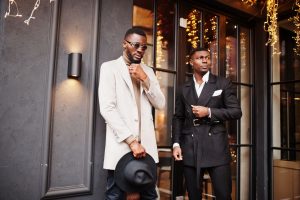
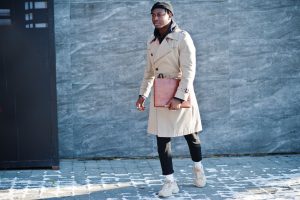
The aesthetic leans heavily on neutral palettes. Camel, ivory, navy, chocolate brown, soft grey. Fabrics are almost always natural and high-quality. Cashmere, fine wool, silk, and heavy cotton appear consistently. Cuts are precise without being showy. Tailoring fits the body without drawing attention to the fit itself. The overall effect is effortless, which is, of course, the result of considerable effort and significant expenditure.
Brands associated with the quiet luxury trend include Loro Piana, The Row, Brunello Cucinelli, Bottega Veneta under Matthieu Blazy, and Hermès. These are labels that rarely run loud advertising campaigns, rarely put visible logos on their products, and price their pieces at levels that make them accessible only to a very small percentage of the population. The exclusivity is built into the quality and the knowledge required to recognise it, not into a logo that signals membership from across a room.
Where the Quiet Luxury Trend Came From
The roots of this aesthetic run deep. Old money families in Europe and the American Northeast have dressed this way for generations. The studied understatement of a perfectly worn Barbour jacket, a cashmere rollneck from a Scottish mill, or a pair of unbranded loafers from a heritage cobbler is not new. What is new is that this sensibility has been named, documented, and adopted by a much wider audience through the amplifying effect of social media.
The television series Succession played a significant role in bringing the quiet luxury trend to mainstream attention. The Waystar Royco family dressed in a way that was immediately legible as extreme wealth to anyone paying attention, despite the near-total absence of visible branding. Costume designer Michelle Matland built the characters’ wardrobes around the exact principles the trend describes, and viewers noticed. The show became a reference point for a dressing philosophy that already existed but had not been articulated so visibly in popular culture.
The post-pandemic moment also contributed to the trend’s rise. Several years of disruption to normal life produced a genuine shift in how many people thought about consumption. The impulse toward quieter, more considered purchasing aligned naturally with the quiet luxury trend’s emphasis on quality over quantity and longevity over novelty. Buying less but better became a cultural value that expressed itself very naturally in this aesthetic.
Why the Quiet Luxury Trend Is Resonating So Deeply Right Now
The timing of this trend is not accidental. It is a direct response to the maximalism and logomania that dominated fashion for much of the previous decade. The period of obvious branding, of streetwear collaborations, of hype drops and visible luxury, produced genuine fatigue in a significant portion of the fashion audience. The quiet luxury trend arrived as an antidote.
There is also a social signaling dimension that experts in fashion psychology find particularly interesting. Visible logos communicate wealth to a broad audience, including people who may not be wealthy themselves. The quiet luxury trend communicates wealth only to people who already possess the cultural knowledge to decode it. That narrower audience is, for those who care about such things, a more valuable one. It is the difference between being seen by everyone and being recognized by the right people.
Dr. Carolyn Mair, a behavioral psychologist who specializes in fashion, has written about how clothing choices communicate social positioning in ways that go beyond simple taste. The quiet luxury trend operates on a sophisticated level of social signaling that appeals specifically to people who want to project security and confidence rather than aspiration. You do not wear Loro Piana to impress people who have never heard of it. You wear it because the people whose opinions you care about will understand exactly what it means.
The Role of Social Media in Spreading Quiet Luxury
The irony of a trend built on understatement spreading through the most attention-driven platforms in history is not lost on anyone watching this space. But the quiet luxury trend has thrived on social media for reasons that make sense on reflection. On a platform saturated with color, noise, and obvious effort, restraint reads as confidence. A perfectly composed image of a cashmere coat, a leather tote, and clean tailoring stands out precisely because it is not trying to stand out.
TikTok in particular has been central to codifying the trend for younger audiences. The hashtag has accumulated billions of views, and the content varies from genuine wardrobe showcases to budget interpretations that chase the aesthetic at accessible price points. This democratization is significant. The quiet luxury trend has inspired an enormous market of products that approximate the look without the cost, from high street brands to fast fashion retailers producing neutral, logo-free pieces in softer fabrications.
The budget interpretation raises a question that fashion critics have engaged with seriously. Can the quiet luxury trend survive democratization? If the aesthetic is available at every price point, does the signaling function that drives its appeal among its core audience remain intact? The answer so far appears to be yes, because the people who dress in actual quiet luxury are not concerned with what appears on the high street. The gap between a cashmere Loro Piana rollneck and a polyester approximation remains immediately legible to anyone who wears the real thing.
What the Quiet Luxury Trend Says About Contemporary Values
Fashion has always been a mirror of cultural values, and the quiet luxury trend reflects several that are particularly current. The emphasis on craftsmanship and longevity aligns with growing consumer awareness of sustainability and the genuine cost of disposable fashion. A coat that costs two thousand dollars and lasts twenty years has a different environmental and economic calculation than ten coats at two hundred dollars each that fall apart within a season.
The trend also reflects a broader cultural appetite for authenticity over performance. The social media era created enormous pressure to perform for an audience, and the exhaustion that has followed is producing a counter-movement toward things that feel genuine rather than staged. The quiet luxury trend is, in its own way, a rejection of the performance imperative. It dresses for the self and for a small circle rather than for an algorithm.
There is something worth examining in the class dynamics at play, too. The quiet luxury trend is expensive to execute authentically, which means it is ultimately a signaling system available only to those with significant disposable income. Its association with old money aesthetics rather than new money display is itself a class distinction, one that places cultural capital and inherited taste above the visible accumulation that aspirational branding has always served. Fashion analysts who engage seriously with the trend note that it naturalizes wealth rather than celebrating it, which is a more subtle and arguably more powerful form of privilege signaling than a logo ever achieves.
How to Apply Quiet Luxury Principles Without Spending a Fortune
The principles behind the quiet luxury trend are accessible even when the specific brands are not. The core logic is investment in quality over quantity, a commitment to neutral and versatile pieces, and deliberate avoidance of anything that feels trend-driven or attention-seeking. Applied thoughtfully to any budget, these principles produce a wardrobe that feels more considered and more personal than one assembled through trend-chasing.
Buying fewer, better pieces from quality-focused brands at accessible price points produces results that honor the spirit of the quiet luxury trend without requiring a Brunello Cucinelli budget. Heritage brands, independent makers, and well-chosen secondhand pieces from quality labels all offer entry points. The investment is as much in knowledge and patience as in money. Knowing what good fabric feels like, what precise tailoring looks like, and what enduring style means for your specific lifestyle is the real currency of this aesthetic.
FAQs
Q1: What is the quiet luxury trend in simple terms?
The quiet luxury trend is an understated approach to dressing that prioritizes quality, neutral tones, and minimal branding over visible logos and statement pieces.
Q2: Which brands best represent the quiet luxury trend?
Loro Piana, The Row, Brunello Cucinelli, Hermès, and Bottega Veneta are the most consistently referenced brands within the quiet luxury trend aesthetic.
Q3: Why has the quiet luxury trend become so popular recently? It emerged as a reaction to logomania and maximalism, amplified by shows like Succession and a post-pandemic shift toward more considered, quality-focused consumption habits.
Q4: Can the quiet luxury trend be achieved on a smaller budget?
Yes. The principles of quality, restraint, and neutral versatility can be applied at any price point through careful selection, secondhand shopping, and prioritizing fabric and fit.
Q5: Is the quiet luxury trend sustainable long-term or just a passing moment?
Its roots in old money dressing and timeless quality suggest genuine longevity, unlike trend-driven aesthetics that fade quickly when the cultural moment that created them passes.