
Quiet fashion has taken a strong place in modern wardrobes, especially among people who understand style beyond logos and loud branding. The idea behind Quiet Luxury Style is not new, but its recent rise shows a shift in how people want to present themselves. Instead of chasing trends, the focus is now on quality, subtle detail, and long-lasting appeal. This guide is written for readers who already know the basics and want to refine their approach. It focuses on real decisions, common mistakes, and how to build a wardrobe that feels calm, confident, and intentional without trying too hard.
What Quiet Luxury Really Means Today
Quiet Luxury Style is often misunderstood as just wearing expensive clothes without logos, but the idea goes deeper than that. It is about how clothing feels, how it fits, and how it communicates confidence without needing attention. The style is built on restraint. It avoids excess decoration and focuses on clean lines, balanced proportions, and strong fabric choices. In modern fashion, this approach reflects maturity and self-awareness. People who adopt it are not trying to prove wealth. They are expressing comfort in their identity. This difference is what separates true quiet luxury from simple minimalism or basic fashion.
Why Experienced Dressers Shift Toward Subtlety
Many people start their fashion journey by experimenting with bold styles and visible branding. Over time, preferences change. Quiet Luxury Style becomes appealing because it offers stability and refinement. It removes the pressure of constant trend chasing. Instead of buying frequently, experienced dressers invest in fewer but better pieces. This shift also reflects lifestyle changes. As people grow professionally and socially, they often want clothing that feels appropriate across different settings. Subtlety becomes a strength. It allows flexibility without losing identity.
Fabric Quality as the Core Decision Factor
Understanding material behavior
One of the most important aspects of Quiet Luxury Style is fabric. Materials define how a garment moves, how it ages, and how it feels against the skin. Natural fibers like wool, cashmere, silk, and cotton often dominate this style because they offer depth and durability. Understanding how these materials behave is key. For example, high-quality wool drapes differently from synthetic blends. It holds structure while still feeling soft. This difference may seem small at first, but it becomes obvious over time.
Long-term wear versus short-term appeal
Fast fashion focuses on immediate visual impact. Quiet Luxury Style focuses on longevity. A well-made garment should maintain its shape and texture even after repeated use. This means paying attention to stitching, lining, and fabric weight. These details often go unnoticed by beginners, but they are essential for building a lasting wardrobe. Investing in quality reduces the need for constant replacement, which aligns with the philosophy of this style.
Fit and Tailoring Over Brand Recognition
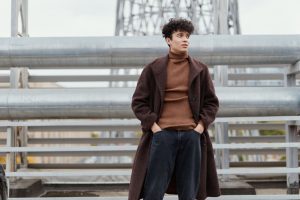
Fit is one of the clearest indicators of refined style. In Quiet Luxury Style, clothing should sit naturally on the body without looking tight or oversized without intention. Tailoring plays a major role here. Even a high-quality garment can look average if the fit is off. Adjustments like sleeve length, trouser break, and shoulder alignment can transform an outfit. This attention to detail often replaces the need for visible branding. People who understand fit can create strong impressions without relying on logos.
Color Palette That Supports Versatility
Building a neutral base
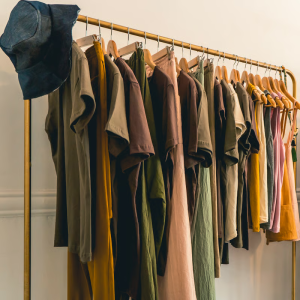
Quiet Luxury Style often relies on neutral colors like beige, navy, black, white, and grey. These shades create a calm visual tone and allow easy mixing of pieces. A neutral base makes it easier to build outfits without overthinking combinations. It also creates consistency across the wardrobe.
Adding depth through subtle variation
While the base is neutral, variation still matters. Different shades of the same color can create depth. For example, pairing warm beige with cooler tones adds interest without becoming loud. Texture also plays a role in adding dimension. This approach keeps outfits visually engaging while maintaining simplicity.
Common Mistakes After the Beginner Stage
Confusing minimalism with luxury
One common mistake is assuming that fewer details automatically mean higher quality. Minimalism is part of Quiet Luxury Style, but it is not the whole concept. Without good fabric and proper fit, minimal clothing can look plain rather than refined. The goal is balance, not reduction.
Overinvesting in trend-driven luxury items
Another mistake is buying expensive items that follow short-term trends. Quiet Luxury Style avoids this by focusing on timeless pieces. Spending more money does not guarantee better style if the item lacks longevity. Experienced dressers prioritize pieces that remain relevant over time.
Ignoring maintenance and care
Even high-quality garments require proper care. Neglecting maintenance can reduce the lifespan of clothing. This includes proper storage, cleaning methods, and handling. Quiet Luxury Style depends on preserving quality, not just purchasing it.
Accessories That Reinforce Subtle Identity
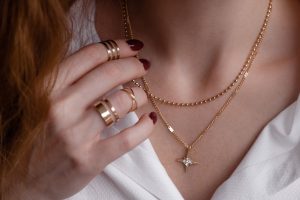
Accessories in Quiet Luxury Style are chosen carefully. They are not meant to dominate the outfit but to support it. Items like leather belts, simple watches, and structured bags often complete the look. The focus is on craftsmanship rather than branding. A well-made accessory can elevate an outfit without drawing too much attention. This approach keeps the overall appearance balanced and intentional.
Building a Cohesive Wardrobe System
Creating a wardrobe around Quiet Luxury Style requires planning. Instead of random purchases, each item should connect with others. This creates a system where pieces can be mixed easily. A cohesive wardrobe reduces decision fatigue and improves consistency. It also makes it easier to maintain a clear personal style. Over time, this system becomes more refined as weak pieces are replaced with stronger ones.
Seasonal Adaptation Without Losing Identity
Style should adapt to seasons without losing its core identity. Quiet Luxury Style achieves this by focusing on fabric changes rather than drastic design shifts. In warmer months, lighter materials like linen and cotton are used. In colder months, heavier fabrics like wool and cashmere take priority. The color palette and overall aesthetic remain consistent. This approach ensures continuity while still responding to practical needs.
Influence of Lifestyle on Style Choices
Lifestyle plays a major role in shaping Quiet Luxury Style. Clothing should match daily routines and environments. For example, someone working in a corporate setting may focus on structured pieces, while someone with a more relaxed lifestyle may prefer softer silhouettes. Understanding personal needs helps in making better purchasing decisions. Style becomes more effective when it aligns with real life rather than abstract ideas.
Quiet Luxury in Social and Professional Settings
Quiet Luxury Style works well across different settings because it avoids extremes. In professional environments, it communicates reliability and confidence. In social settings, it feels approachable and refined. This versatility is one of its strongest advantages. It allows individuals to maintain a consistent identity without adjusting drastically for different occasions. This makes it practical as well as stylish.
Long-Term Value and Cost Efficiency
While Quiet Luxury Style often involves higher upfront costs, it can be more cost-effective over time. High-quality garments last longer and require fewer replacements. This reduces overall spending in the long run. It also reduces waste, which aligns with more conscious consumption habits. The focus shifts from quantity to value. This mindset changes how people approach shopping and wardrobe management.
Conclusion
Quiet Luxury Style is not about hiding wealth or avoiding attention completely. It is about making thoughtful choices that reflect confidence and clarity. It focuses on quality, fit, and subtle detail rather than loud expression. For experienced individuals, the challenge is not understanding the concept but applying it consistently. This requires discipline, patience, and attention to detail. When done well, it creates a wardrobe that feels effortless and reliable across different situations.
FAQs
1. How can I transition from logo-heavy fashion to Quiet Luxury Style?
Start by reducing visible branding in your wardrobe and focus on fit and fabric quality. Replace trend-driven items with timeless pieces. Build a neutral color base and invest in tailoring. Over time, your style will feel more refined and less dependent on logos.
2. Is Quiet Luxury Style only for high-income individuals?
Not necessarily. While quality items can be expensive, the approach focuses on buying fewer pieces and choosing them carefully. Even with a moderate budget, you can adopt this style by prioritizing durability, fit, and simple design over quantity and trends.
3. How do I know if a garment fits the Quiet Luxury approach?
Look at fabric quality, stitching, and overall fit. The piece should feel comfortable and structured without being flashy. If it relies heavily on logos or bold patterns, it may not align with Quiet Luxury Style principles.
4. Can Quiet Luxury Style work in casual settings?
Yes, it adapts well to casual environments. Simple t-shirts, well-fitted trousers, and clean sneakers can reflect the same principles. The key is maintaining quality and consistency even in relaxed outfits.
5. What is the biggest mistake people make with Quiet Luxury Style?
The biggest mistake is focusing only on appearance and ignoring quality. Minimal clothing without good fabric and fit can look plain rather than refined. True Quiet Luxury Style depends on subtle details that are not always immediately visible.