Korean street fashion has evolved into a significant cultural phenomenon that captivates fashion enthusiasts worldwide. This unique aesthetic reflects not just clothing choices, but a lifestyle and identity that resonates with many. Understanding the nuances of Korean street style is essential for those looking to embrace this vibrant fashion scene. In this blog, we will explore the history, key characteristics, cultural influences, and practical tips for incorporating Korean street fashion into your wardrobe.
Historical Context of Korean Street Style
Evolution from Traditional to Modern
The roots of Korean street fashion can be traced back to traditional attire, where clothing was often dictated by social status and occasion. However, as South Korea opened up to global influences, particularly after the Korean War, the fashion landscape began to change. The influx of Western styles in the late 20th century diversified clothing options, leading to a blend of traditional and modern designs.
As globalization took hold, Korean street style began to emerge as a distinct fashion movement. Young people started to adopt unique styles that reflected their individuality and cultural identity. This evolution paved the way for the vibrant street fashion we see today, characterized by creativity and self-expression.
Impact of K-Pop and Media
K-Pop has played a pivotal role in shaping Korean street fashion. Idols and celebrities are often seen as trendsetters, influencing millions of fans with their distinctive styles. Their music videos, performances, and public appearances showcase a variety of outfits that fans aspire to emulate.
Social media platforms like Instagram and TikTok further amplify these trends. Fashion influencers share their interpretations of Korean street style, making it accessible to a global audience. The result is a continuous cycle of inspiration, where trends rapidly evolve and spread across borders.
Key Characteristics of Korean Street Style
Layering Techniques
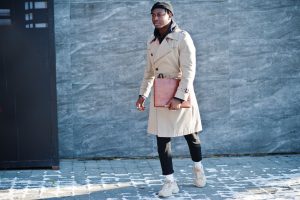
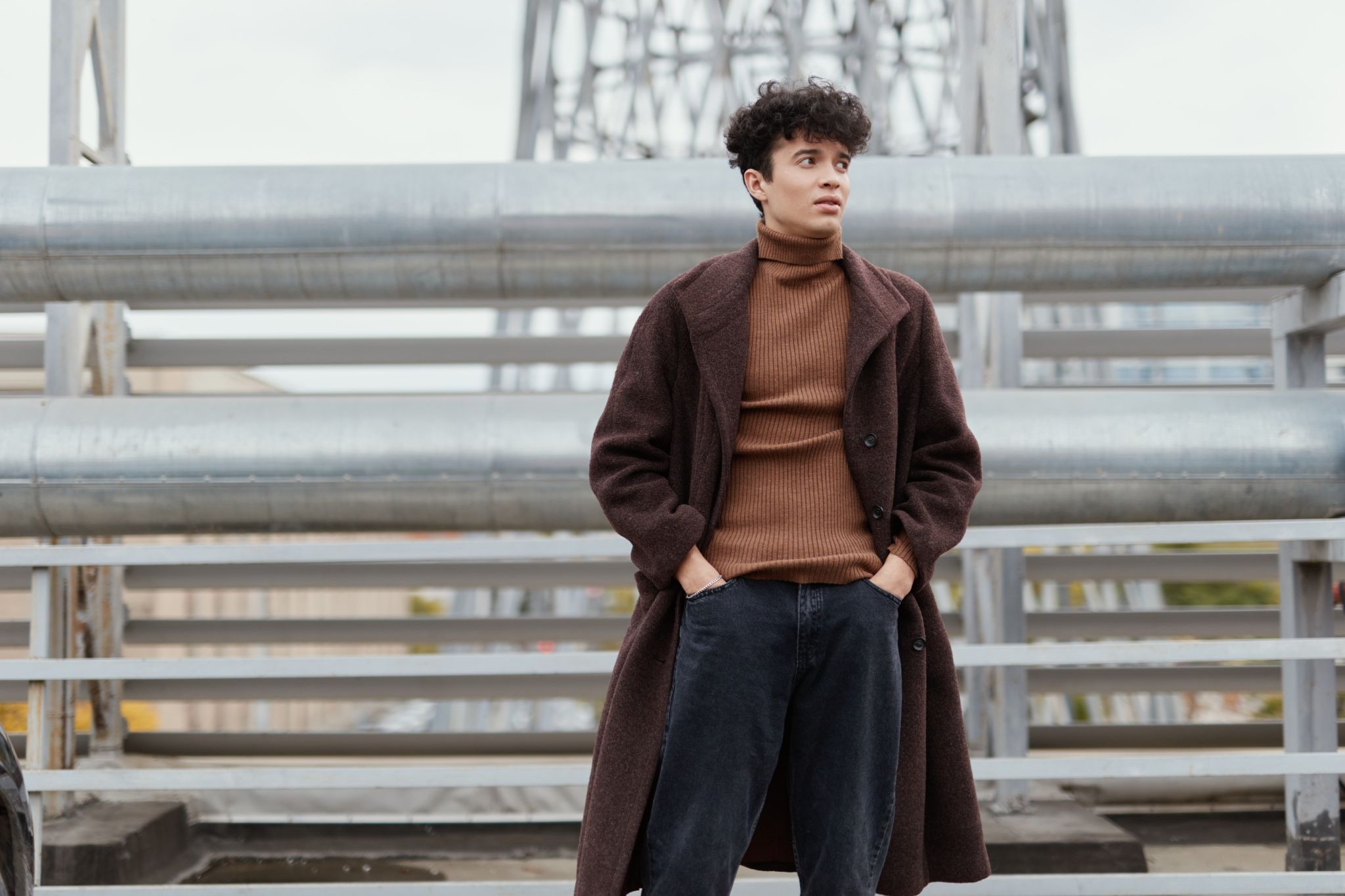
One of the defining features of Korean street style is the art of layering. This technique not only adds depth to an outfit but also allows for practical solutions to changing weather. Layering can be as simple as pairing a basic t-shirt with an oversized jacket or as complex as mixing textures and lengths to create a visually interesting silhouette.
Effective layering requires a thoughtful approach. Start with a fitted base layer, then add loose or oversized pieces. This combination creates a balanced look that feels casual yet stylish. Don’t hesitate to experiment with different fabrics, such as cotton, denim, and wool, to enhance the overall texture of your outfit.
Color Palettes and Patterns
Korean street fashion is known for its bold color palettes and playful patterns. Bright colors are often balanced with neutral tones, allowing for statement pieces to stand out without overwhelming the overall look. Common colors include pastels, vibrant hues, and monochromatic schemes that reflect the season’s mood.
Patterns also play a significant role in this aesthetic. From florals to stripes, incorporating prints can add personality to your outfit. The key is to mix patterns thoughtfully—pairing a floral top with striped bottoms can create a dynamic look, provided the colors complement each other.
Silhouettes and Fit
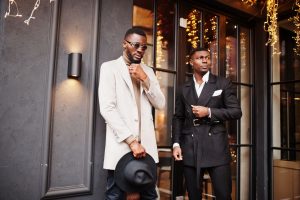
Silhouettes in Korean street style are varied and often unconventional. Oversized fits are popular, as they exude a relaxed, casual vibe. However, this does not mean that fitted pieces are overlooked; tailored items can provide a polished contrast to the more laid-back elements.
Understanding how fit influences your overall look is essential. For instance, pairing an oversized top with slim-fitting trousers can create a balanced silhouette. Conversely, wearing baggy pants with a fitted top can also work, depending on the proportions and styles involved.
Cultural Influences on Korean Street Style
Youth Culture and Identity
Korean street fashion is deeply intertwined with youth culture. For many young people, fashion is a form of self-expression that reflects their beliefs, values, and aspirations. This connection allows individuals to showcase their personalities and stand out in a society that often emphasizes conformity.
Street fashion in Korea is not just about looking good; it also represents a sense of community. Many youth use fashion to connect, creating subcultures that celebrate shared interests and identities. This strong sense of belonging fosters creativity, inspiring individuals to push the boundaries of style.
Globalization and Cross-Cultural Exchange
As globalization continues to shape the fashion landscape, Korean street style is influenced by international trends. Designers and brands from various countries contribute to the eclectic mix that defines Korean street fashion. This cross-cultural exchange allows for the blending of different styles and ideas, resulting in a rich tapestry of fashion that is both unique and diverse.
Korean designers often take cues from global trends while infusing their designs with local elements. This approach creates a fresh perspective that resonates with both domestic and international audiences. The result is a fashion scene that is dynamic and ever-evolving, reflecting the interconnectedness of our world.
Practical Applications for Embracing Korean Street Style
Building a Versatile Wardrobe
To embrace Korean street style, start by building a versatile wardrobe that includes essential pieces. Focus on items that can be mixed and matched easily, allowing for a variety of outfit combinations. Key pieces to consider include oversized shirts, high-waisted jeans, and stylish outerwear.
Investing in quality basics will provide a solid foundation for your wardrobe. From there, you can add statement pieces, such as vibrant jackets or bold footwear, to create a signature look that reflects your personality. The goal is to curate a collection that embodies the spirit of Korean street fashion while remaining true to your style.
Styling Techniques
Once you have a versatile wardrobe, it’s time to explore styling techniques. Mixing and matching different items is a hallmark of Korean street style. Experiment with layering and proportions to create visually interesting outfits. For example, try pairing a long cardigan with cropped trousers for a trendy look that plays with lengths.
Don’t be afraid to step outside your comfort zone. Incorporating unexpected elements, like a vintage accessory or a pop of color, can make your outfit more exciting. The key is to have fun and let your creativity shine through your clothing choices.
Accessorizing for Impact
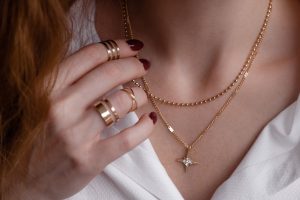
Accessories are essential in completing any outfit, and in Korean street fashion, they can make a significant difference. Consider statement bags, bold jewelry, and unique hats to enhance your look. Accessories provide the opportunity to express your individuality and add personal touches to your outfits.
When selecting accessories, think about how they complement your overall style. A simple outfit can be transformed with the right accessories, making it stand out. Pay attention to details, as they can elevate your look from ordinary to extraordinary.
Navigating Trends in Korean Street Style
Seasonal Trends
Korean street style is heavily influenced by the seasons. As the weather changes, so do fashion choices. Spring and summer often bring lighter fabrics and vibrant colors, while fall and winter call for layering and richer tones. Staying aware of seasonal trends can help you adapt your wardrobe accordingly.
Keep an eye on fashion shows and street style photography for inspiration. These platforms often highlight emerging trends that can guide your shopping choices. Incorporating seasonal elements into your wardrobe can keep your style fresh and relevant.
Influencing Factors
Fashion weeks and events play a crucial role in shaping trends in Korean street style. These occasions showcase the latest designs and provide a glimpse into the future of fashion. Street style photography captured during these events can inspire countless outfits and ideas.
Additionally, influencers and celebrities significantly impact fashion choices. Their unique styles can create waves in the fashion community, encouraging fans to adopt similar looks. Observing these trends can help you navigate the ever-changing landscape of Korean street fashion.
Conclusion
The unique aesthetic of Korean street fashion is a captivating blend of history, culture, and creativity. By understanding its roots and key characteristics, you can confidently embrace this vibrant style. Remember to focus on layering, color palettes, and fit to create outfits that reflect your individuality.
Building a versatile wardrobe and mastering styling techniques will allow you to explore this fashion scene fully. With the right accessories and awareness of current trends, you can personalize your Korean street style and make it your own. Fashion is meant to be fun, so enjoy the journey of self-expression through clothing.
FAQs
1. What defines Korean street style?
Bold layering, vibrant colors, and a mix of casual and chic elements characterize Korean street style. It reflects individuality and creativity within fashion.
2. How can I start building a wardrobe for Korean street style?
Focus on versatile pieces like oversized shirts, high-waisted jeans, and unique outerwear. Mix and match items to create various outfits that reflect your style.
3. What role does K-Pop play in Korean street fashion?
K-Pop significantly influences Korean street fashion, with idols setting trends that fans eagerly follow. Their styles inspire many to adopt similar looks.
4. How do seasonal changes affect Korean street fashion?
Seasonal changes bring different fabrics and colors into play. Spring and summer often feature lighter, brighter styles, while fall and winter focus on layering and richer tones.
5. What accessories should I consider for a Korean street style look?
Invest in statement bags, bold jewelry, and unique hats. Accessories can enhance your outfits and showcase your personal style in Korean street fashion.